



Filming in Argentina
FILMING IN ARGENTINA
Filming in Argentina: First-Class Production Services in Latin America
Filming in Argentina gives international productions something very few countries can match: a continent’s worth of looks inside a single border. The eighth-largest country in the world stretches from subtropical jungle and the thundering Iguazú Falls in the north to the glaciers of Patagonia and the wind-blasted tip of Tierra del Fuego in the south — with a sophisticated, film-literate capital, Buenos Aires, in between.
NEEDaFIXER provides full production services for filming in Argentina — fixers, local producers, bilingual crew, film permits, casting, locations, equipment rental and logistics — backed by our network across Latin America and more than 100 countries worldwide. Whether you are prepping feature films, TV co-productions, commercials, documentaries, stills photography, a short film or online content, our Argentina team handles the entire shoot on the ground.
Argentina offers deep filming infrastructure, decades of Argentine cinema history and costs that are consistently attractive for foreign productions. Below is everything filmmakers need to know before filming here.
Why Film in Argentina?
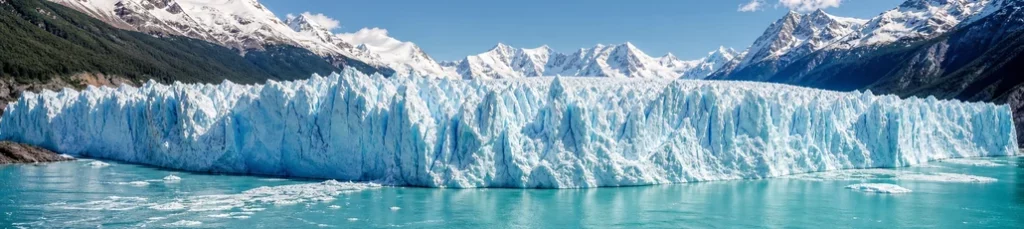
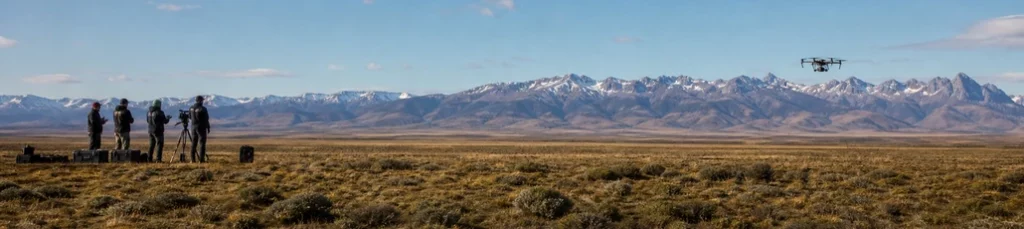
Amazing landscapes in every direction.
Glaciers, deserts, salt flats, vineyards, pampas, lakes, waterfalls and Andean peaks, much of it protected inside national parks.
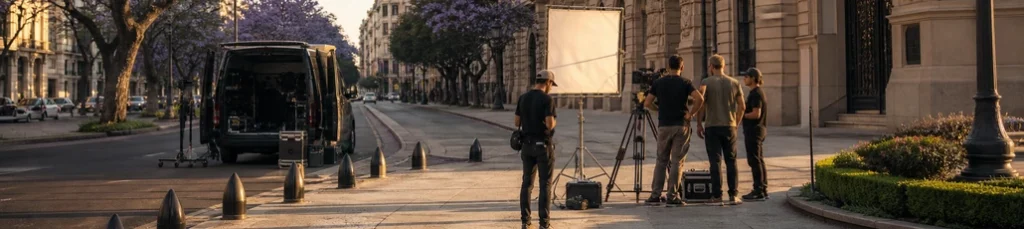
A capital that doubles for almost anywhere.
The diverse architecture of Buenos Aires stands in convincingly for Paris, Madrid, New York or mid-century Europe.
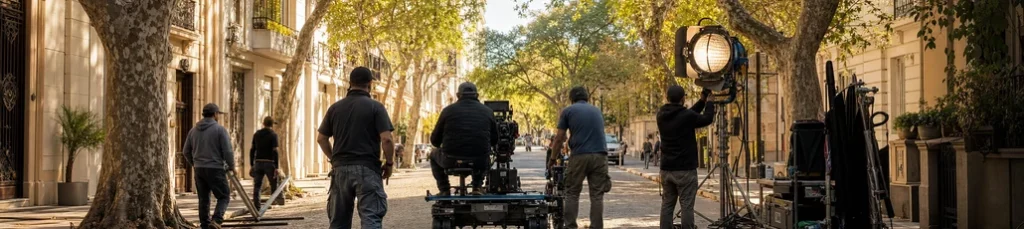
First-class crews.
One of the deepest crew pools in the region: experienced directors of photography, commercial directors, gaffers, grips, art departments and post studios.
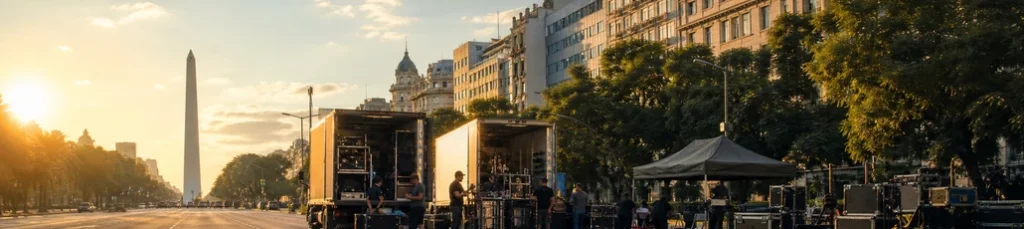
Competitive costs.
Local rates for crew, equipment and services make Argentina a popular destination for productions watching every dollar, and filming budgets stretch further than in most of the world.
Real incentives.
A 20% cash rebate in the city of Buenos Aires and provincial tax incentives sweeten the deal.
Key Locations for Filming in Argentina
BUENOS AIRES
The capital and cinematic heart of Latin America: the tin houses of La Boca, Parisian boulevards in Recoleta, the faded grandeur of San Telmo and the glass towers of Puerto Madero — plus the Casa Rosada, Teatro Colón and Retiro station for period work.
LA PLATA & THE PAMPAS
An hour from Buenos Aires, La Plata offers diagonal avenues, a neo-Gothic cathedral and stately public buildings without big-city shooting pressure; beyond it the endless pampas deliver estancias, gauchos and horizon-to-horizon grassland.
PATAGONIA & TIERRA DEL FUEGO
Bariloche and the lakes of Nahuel Huapi double for the Alps or Canada; Los Glaciares serves up the Perito Moreno glacier and Fitz Roy; and Ushuaia is the southernmost film-ready region on Earth, gateway to Antarctica.
IGUAZÚ FALLS & THE NORTH
On the Brazilian border, Iguazú Falls — 275 cataracts pouring through rainforest — is one of the most spectacular filming locations on the planet, and starred in the Oscar-winning The Mission.
MENDOZA, SALTA & THE NORTHWEST
Mendoza pairs vineyards with the high Andes (Uspallata doubled for the Himalayas in Seven Years in Tibet); Salta and Jujuy add red-rock canyons, the Salinas Grandes salt flats and colonial towns.
TALAMPAYA & VALLEY OF THE MOON
Talampaya National Park and the Valley of the Moon provide Mars-like desertscapes — sculpted rock, canyons and emptiness for sci-fi, car commercials and survival drama.
Interested in our work? Browse our portfolio to see the exceptional productions we’ve delivered for clients around the world.

International Films Shot in Argentina
Argentina has been doubling for other countries — and playing itself — in international films for decades, and that history is the best proof of what filming in Argentina can deliver. Here are the productions producers and filmmakers mention most when they scout locations here.
Seven Years in Tibet (1997)
When politics closed India to the production, director Jean-Jacques Annaud rebuilt Lhasa at the foot of the Andes. Brad Pitt and a crew of roughly 700 spent almost four months filming in Uspallata and the city of Mendoza, with the Andes standing in for the Himalayas — the classic answer to “what movie did Brad Pitt film in Argentina?”
X-Men: First Class (2011)
The Argentina scene — where Michael Fassbender’s Erik Lehnsherr hunts fugitives in “Villa Gesell” — was shot around Villa La Angostura in Neuquén’s lake district, mountain scenery that ended up on screens around the world.
Operation Finale (2018)
The Mossad thriller, directed by Chris Weitz and starring Ben Kingsley and Oscar Isaac, was made entirely in Argentina: the Buenos Aires metropolitan area, Bariloche’s forests doubling for Austria, and the small town of Olivera for the Eichmann house — a Hollywood movie trusting local crews with every scene, end to end.
Evita (1996) and Focus (2015)
Directed by Alan Parker, Evita put Madonna on the actual Casa Rosada balcony and filled Plaza de Mayo and Retiro station with a period cast of thousands. Two decades later, Focus with Will Smith and Margot Robbie used La Boca, San Telmo, Barracas and Puerto Madero, filming Buenos Aires as a sleek, cosmopolitan capital.
The Eternaut (2025)
Netflix’s The Eternaut (El Eternauta) — the streamer’s No. 1 non-English series shortly after launch — was shot entirely in Buenos Aires across 148 days and around 50 locations, with 35 virtual sets and a crew of over 400. It is the biggest series ever produced in the country and injected an estimated US$34 million into the wider economy.
Argentine Cinema on the World Stage
Argentine cinema has won the Academy Award for Best International Feature twice — The Official Story (1985) and The Secret in Their Eyes (2009), directed by Juan José Campanella — while Wild Tales, directed by Damián Szifron, and Argentina, 1985 were also nominated. The directors, actors and technicians you hire locally are likely to have first-class festival or studio credits behind them.
Argentina Film Incentives, INCAA and Tax Incentives
Argentina’s national film body is INCAA (Instituto Nacional de Cine y Artes Audiovisuales), which regulates and funds Argentine cinema. There is currently no single nationwide cash rebate for foreign productions — the meaningful tax incentives operate at city and provincial level:
- Buenos Aires cash rebate — launched in 2022 by the city’s Ministry of Culture, it reimburses 20% of qualified local spend for international feature films and fiction series, capped at US$600,000 per project, with a minimum of four days of filming and roughly US$660,000 of expenditure in the city. Applications run in annual calls.
- Río Negro province — the first provincial cash rebate in Argentina (2019) offers 15% back on national or international productions that hire at least 30% local crew, covering the Bariloche/Patagonia region.
- Export-of-services structuring — run through a local service company, production services billed to your foreign production qualify as an export of services, which is zero-rated for VAT, so the 21% VAT need not stick to your filming budget. Your fixer and an Argentine accountant will confirm the exact structure for your project.
Incentive rules and budgets change between annual editions, so have your fixer confirm the current call before you lock financing. If you want an idea of what the maths looks like on a real filming budget — a three-week Buenos Aires shoot, for example — ask us for a line-item estimate.
Crews, Equipment and Studios in Argentina
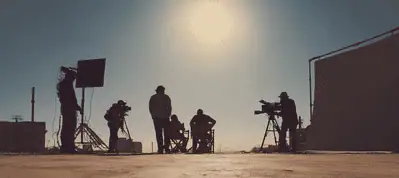
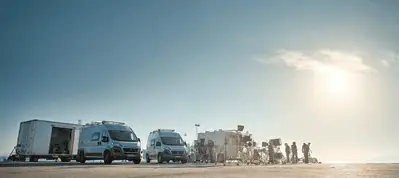
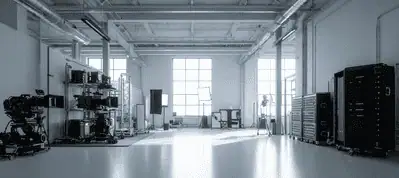
Buenos Aires supports full-scale filming without flying in more than your remote heads of department. The city’s rental houses stock a wide selection of current camera equipment, lenses, lighting, grip, remote heads, cranes and drones, so most productions bring little or no equipment into the country; where specialist gear is needed from abroad, temporary importation is routine, and sound stages and backlots are available for builds.
Crew depth is exceptional for the region: bilingual assistant directors, DPs, sound recordists, stunt coordinators, VFX artists and production designers who move constantly between local feature films, TV co-productions and international commercials. Casting is equally strong — from seasoned union actors to street casting — and a sizeable expat community means English-speaking background cast is easy to find. The city’s virtual production stages, proven at scale on The Eternaut, cover everything through post.
NEEDaFIXER assembles the whole package for filming in Argentina: local producers and fixers, first-class crew, equipment, studios, transport, catering and accommodation, scaled from a two-person documentary to a full features unit — and on most projects the whole team is hired locally.
Film Permits for Filming in Argentina
Film permits in Argentina are handled at city, provincial and park level rather than by one national office — exactly the kind of process a good fixer exists to manage. The essentials:
- Buenos Aires — permits for public spaces go through BASet, the online system of the Buenos Aires Film Commission (BAFC). Requests can be lodged just days before filming, making the capital one of the faster permitting regimes in the region.
- National parks — filming inside parks such as Iguazú, Los Glaciares or Tierra del Fuego requires special permits from the National Parks Administration, with lead times that vary by park and season.
- Drone filming — regulated by ANAC, the civil aviation authority; pilots and aircraft must be registered, and urban drone filming over Buenos Aires needs specific clearance.
- Government buildings, train stations and historic locations — each has its own authority and fee structure; allow extra lead time.
- Visas and equipment — most Western crews enter visa-free for short stays; some nationalities need a visa supported by an invitation letter from a local production company. Temporary import of camera equipment is handled via a customs process managed by your production partner.
We secure every film permit, negotiate location fees and plan the shoot around permit lead times, so productions never lose a day of filming waiting on an official.
Filming seasons: summer is December to February, winter June to August. Patagonia and Tierra del Fuego are best in the southern summer, while Buenos Aires and the north work year-round.
Filming costs: local crew rates, location fees and hotels in Buenos Aires are typically well below Western European or North American equivalents, though the currency situation moves quickly — budget in US dollars and let your fixer lock rates.
Logistics: Buenos Aires has two airports with direct flights to North America and Europe, and the domestic network puts Ushuaia, Bariloche, Mendoza, Salta and Iguazú Falls within two to four hours of the capital. Spanish is the working language, but English-speaking heads of department are standard on international productions.
Does Argentina have a film industry?
Yes — one of the strongest in Latin America. The country produces well over a hundred feature films in a typical year, INCAA supports a constant slate of national cinema, and Argentine crews work on productions around the world. Two Argentine movies have won the Best International Feature Oscar, and filmmakers from Buenos Aires are fixtures at every major festival.
What movies were filmed in Argentina?
International credits include Seven Years in Tibet, Evita, The Mission, Focus, X-Men: First Class and Operation Finale, alongside Netflix’s The Eternaut and acclaimed local cinema like The Secret in Their Eyes and Wild Tales. Every one leaned on local crews, locations and equipment.
Do I need a permit to shoot in Argentina?
For anything beyond small, unobtrusive documentary-style filming, yes. Public-space filming in the capital goes through BASet, national parks issue their own permissions, and drone filming requires ANAC clearance. Your fixer files everything and builds film permits into the shooting schedule.
When is the best time to shoot in Argentina?
It depends on where you shoot: December to February for Patagonia’s long days, March to May and September to November for the most forgiving light in Buenos Aires, and the dry southern winter for the northern deserts. Whatever the scene calls for, half the country is usually in its ideal window.
Start Filming in Argentina with NEEDaFIXER
From a one-day commercial shoot in Buenos Aires to a multi-region feature across national parks, glaciers and salt flats, we have the local producers, crews, equipment and film permits handled before your flight lands. Tell us about your project — the idea, the locations, the dates — and get a same-week production services quote. Let’s get your production filming in Argentina.
"*" indicates required fields